
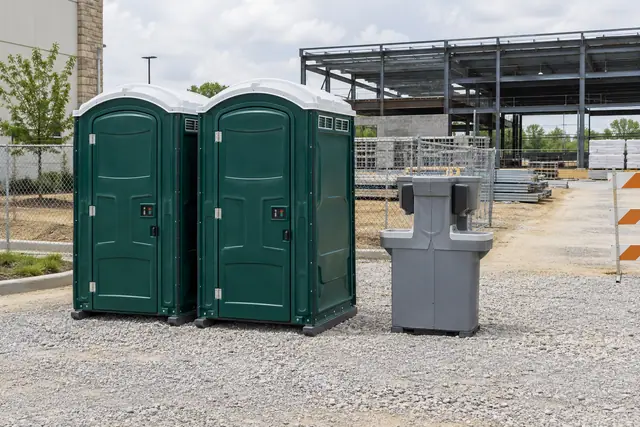
Use directions a new worker can follow
Identify the actual permitted toilets and washing point with the site lead. Explain the route using the current work layout, not an old drawing or a nickname only the original crew understands. Keep directions in a form the people attending can understand; a sign on an inaccessible office door does not help someone reporting directly to another work area.
Separate ordinary facilities from restricted areas
Tell arriving workers which building bathrooms, if any, they may use and which are private or unavailable. Do not let a general statement that facilities are onsite direct them through an occupied customer’s rooms. Raise any functional access need with the responsible parties rather than expecting a new worker to negotiate an unreviewed route on arrival.
Keep reporting information with the directions
Identify the site contact who can report a locked unit, missing supply or unusable approach to the provider. Update the information when an accepted equipment move changes the route. A Garner rental discussion should include the users and practical setting; it does not replace the employer’s site induction or authorise access to restricted work. Clear directions support the agreed equipment plan without inventing new supplier responsibilities.
Questions before you book
Is saying toilets are onsite enough for a new team?
Give the actual permitted location, usable route and reporting contact so unfamiliar workers do not rely on guesses.